How to Cure Stress with Home Remedies & few Guides
Posted on August, 2025 by The Wellness Team 🌱
Stress is a natural part of life, but when it becomes chronic, it can have a significant impact on your mental and physical health. While professional help is always a great option, many effective home remedies can help you manage and reduce everyday stress. This guide will explore a variety of natural approaches to help you find your sense of calm and well-being.
1. Soothe Your Senses with Aromatherapy 🕯️
Aromatherapy uses essential oils to promote a sense of relaxation and calm. The aromas interact with your brain's limbic system, which controls emotions and memories. This can help lower heart rate and blood pressure, making you feel more at ease.
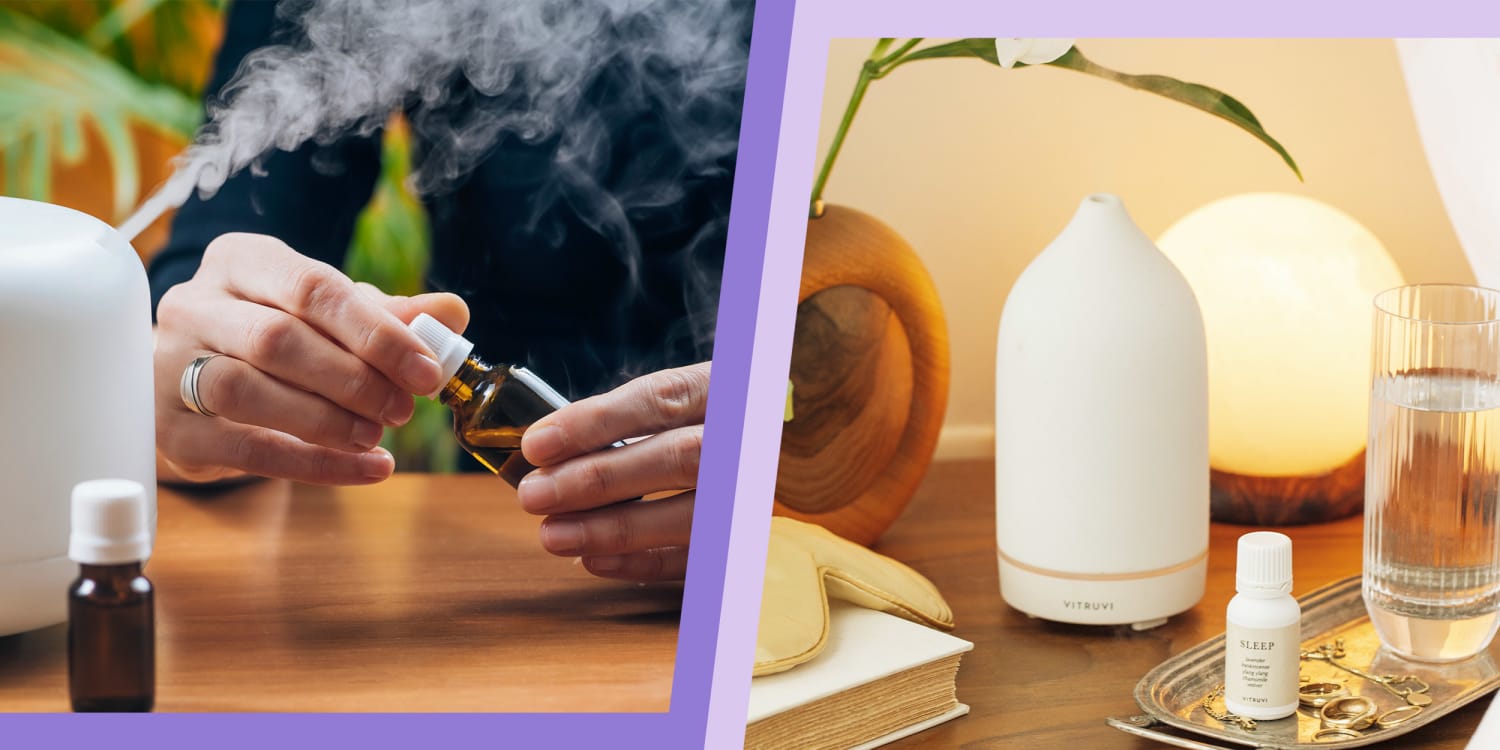
- Lavender: Widely known for its calming properties. Add a few drops to a bath or a diffuser before bed.
- Bergamot: A citrus scent that can help uplift your mood and reduce anxiety.
- Frankincense: Often used for meditation, it can promote feelings of peace and grounding.
2. Sip on Calming Herbal Teas ☕
A warm cup of herbal tea is a comforting ritual that can help you unwind. Many herbs contain compounds that have a calming effect on the nervous system, helping to soothe your mind and body.

- Chamomile: Contains an antioxidant called apigenin that binds to certain receptors in your brain, promoting sleepiness and reducing insomnia.
- Green Tea: Contains L-theanine, an amino acid that can reduce anxiety and promote a state of relaxed awareness.
- Lemon Balm: Known to improve mood and cognitive function, this herb has been used for centuries to reduce stress.
3. Practice Mindfulness and Meditation 🧘
Mindfulness is the practice of being fully present in the moment. Meditation is a tool to cultivate this awareness. Just a few minutes a day can train your mind to be less reactive to stressors.
- Simple Breathing: Take slow, deep breaths. Inhale for a count of four, hold for a count of four, and exhale for a count of six. Repeat as needed.
- Guided Meditation: Use a meditation app or a free online recording to guide you through a session.
- Mindful Walking: Pay close attention to each step, the feeling of the ground beneath your feet, and the sights and sounds around you.
4. Engage in Gentle Physical Activity 🚶
Exercise is a powerful stress reducer. It boosts endorphins, which are natural mood lifters. You don't need a high-intensity workout to reap the benefits; even a short walk can make a difference.
- Yoga: Combines physical postures with breathing exercises and meditation to reduce stress and improve flexibility.
- Walking: A simple, effective way to get your body moving and clear your head. Try walking in a natural setting, like a park or forest.
- Stretching: Release physical tension in your muscles with gentle stretches. Pay special attention to your neck, shoulders, and back.
5. Prioritize Rest and Sleep 😴
Sleep is when your body and mind repair themselves. When you are sleep-deprived, your body produces more stress hormones. Making sleep a priority is one of the best things you can do for your overall well-being.
- Consistent Schedule: Go to bed and wake up around the same time each day, even on weekends.
- Wind-Down Routine: Create a relaxing evening routine. This could include reading a book, taking a warm bath, or listening to calming music.
- Limit Screen Time: Avoid screens (phones, tablets, TVs) at least an hour before bed, as the blue light can disrupt your sleep cycle.
A Holistic Approach 🎉
Managing stress is a continuous process, not a one-time fix. By incorporating a few of these simple home remedies into your daily routine, you can build resilience and create a more peaceful and balanced life. Remember to be patient and kind to yourself throughout this journey.