Is Tap Water Safe to Drink in Africa? A Comprehensive Guide
Posted on Year: 2025 by The Environmental Health Team 💧
The question of whether tap water is safe to drink in Africa is one of the most common inquiries from travelers and new residents. The simple answer is that there is no single answer. The continent of Africa is incredibly vast and diverse, comprising 54 countries with varying levels of infrastructure, water treatment, and public health standards. This guide will help you understand the factors at play and how to make safe choices wherever you are.
The Big Picture: Why It's Complicated 🌍
Generalizing about water safety across an entire continent is impossible. In many bustling urban centers, such as Cape Town, Nairobi, or Casablanca, tap water may be treated and considered safe for consumption. However, even in these cities, the quality can be affected by factors like the age of the plumbing system or temporary treatment issues. In contrast, many rural areas and smaller towns often lack the infrastructure for modern water purification, making the tap water unsafe.
Factors Affecting Water Safety 🧪
Several key factors determine the safety of tap water in a specific location. Understanding these can help you assess the risk and take appropriate precautions.
- Infrastructure: The presence of modern water treatment plants, a reliable public health system, and well-maintained pipelines is the primary determinant of water safety.
- Source of Water: Water sourced from rivers and lakes is more susceptible to contamination from agricultural runoff, industrial waste, and human waste than water from deep boreholes or protected reservoirs.
- Climate and Seasonality: Heavy rainfall can overwhelm water treatment systems and cause floodwaters to mix with fresh water sources, increasing the risk of contamination.
- Regional Governance: Strong government regulation and public health oversight ensure that water quality is regularly monitored and maintained.

Common Contaminants to Watch For 🦠
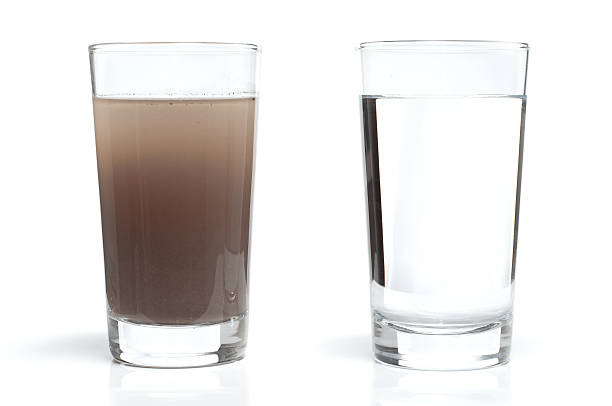
Unsafe drinking water can contain a range of contaminants that pose health risks. The most common threats are microbial, but chemical and heavy metal contamination are also concerns.
- Bacteria and Viruses: Pathogens like E. coli, cholera, and typhoid can cause severe gastrointestinal illness. These are the most frequent cause of water-related diseases.
- Parasites: Giardia and Cryptosporidium are microscopic parasites that can cause prolonged digestive issues. They are often resistant to standard chemical disinfectants like chlorine.
- Chemicals: Contaminants from industrial pollution, such as pesticides or other chemicals, can seep into groundwater and surface water sources.
- Heavy Metals: Older pipes can leach heavy metals like lead into the drinking water, which can cause long-term health problems, especially in children.
Practical Advice for Safety and Prevention ✅
Whether you're a tourist or a new resident, it's always best to err on the side of caution. Here are some actionable steps you can take to ensure your water is safe to drink.
- Boil Your Water: This is the most reliable method. A rolling boil for at least one minute will kill most pathogens.
- Use a Water Filter: Portable water filters or straws are excellent for travelers. For home use, a carbon-based filter or a UV purifier can be a great investment.
- Stick to Bottled Water: When in doubt, always choose sealed, bottled water. Ensure the bottle's seal is intact before drinking.
- Stay Informed: Ask your hotel, local guides, or trusted residents about the local water quality. They can provide the most accurate information for your specific location.
Advertisement
Act Local, Think Safe 🎉
The question of tap water safety in Africa is not a one-size-fits-all problem. The answer depends heavily on your specific location and the local infrastructure. While many areas have perfectly safe drinking water, it is always wise to be cautious. By doing your research, asking locals, and using simple purification methods, you can ensure your health and enjoy your time on the continent with peace of mind.