Introduction: Taking the First Step is a Sign of Strength! 💪
Alcohol addiction, also known as alcohol use disorder, is a complex and challenging condition. It can affect every aspect of a person’s life, from their physical health to their relationships and career. However, it is a treatable condition, and countless individuals have successfully overcome it to lead fulfilling, sober lives. This guide is designed to provide you with the essential knowledge, practical steps, and a path forward to help you or a loved one begin the journey to recovery, right here in Mbombela, Mpumalanga, South Africa.

Understanding Alcohol Addiction: It’s a Medical Condition, Not a Moral Failing 🧠
It's crucial to understand that alcohol addiction is not a lack of willpower. It's a chronic brain disease that causes a person to compulsively seek and use alcohol despite harmful consequences. The brain's chemistry is altered over time, leading to physical dependence and intense cravings.
- Physical Dependence: The body begins to need alcohol to function, leading to withdrawal symptoms when not consumed.
- Psychological Cravings: The mind develops an intense, overwhelming desire for alcohol, making it difficult to think about anything else.
- Tolerance: Over time, a person needs to drink more alcohol to achieve the same effects.
The First Steps to Sobriety: Your Journey to Recovery 🚶♀️
The road to recovery begins with a single, powerful decision. Here’s a step-by-step guide to help you get started.
Step 1: Acknowledge the Problem. This is the most difficult but most important step. Admitting you have a problem and that you need help is the foundation for all future progress. This is an act of incredible strength.
Step 2: Seek Professional Help. Do not try to detox on your own, as alcohol withdrawal can be dangerous and even fatal. Consult a doctor or an addiction specialist who can recommend a safe detoxification program. They can also connect you with therapists and support groups.
Step 3: Build a Support System. You are not alone in this fight. Reach out to trusted friends and family who can offer encouragement. Consider joining a support group like Alcoholics Anonymous (AA) or a similar peer-based program. The camaraderie and shared experiences are invaluable.
What to Stop Doing to Aid Your Recovery 🚫
Recovery is not just about stopping a habit; it's about changing the behaviors and thought patterns that enabled it. Here are some things you need to actively work on stopping.
Stop Isolating Yourself: Alcohol addiction often leads to social withdrawal. Actively seek out social connections and spend time with people who support your sobriety.
Stop Avoiding Your Triggers: While it’s important to initially avoid high-risk situations (like bars), true recovery involves learning how to cope with triggers. Work with a therapist to develop strategies for managing stress, social anxiety, and other triggers that led to drinking.
Stop Self-Medicating: Many people use alcohol to cope with underlying mental health issues like anxiety or depression. Getting proper diagnosis and treatment for these conditions is essential for long-term sobriety.
Creating a New, Sober Lifestyle ✨
Recovery is a journey of self-discovery and growth. Fill the void left by alcohol with new, healthy habits and passions.
Find New Hobbies and Passions: Replace the time you spent drinking with activities you genuinely enjoy. This could be anything from hiking and painting to learning a new language or joining a sports club.
Prioritize Physical Health: A healthy body supports a healthy mind. Focus on nutritious eating, staying hydrated, and incorporating regular exercise into your routine. This will help your body heal and improve your mood.
Practice Mindfulness and Self-Care: Learn to listen to your body and mind. Practice mindfulness, get enough sleep, and find healthy ways to manage stress, such as journaling or deep breathing exercises.
Myths and Facts About Alcoholism 🗣️
Let’s set the record straight on some common misconceptions about alcoholism and recovery.
Myth: You have to hit rock bottom to recover.
Fact: Recovery can begin at any point, regardless of how severe the addiction is. Waiting for "rock bottom" can be dangerous and unnecessary. The best time to start is now.
Myth: Addiction is a choice and you can quit with willpower alone.
Fact: While the initial choice to stop is an act of will, addiction is a complex disease. True, lasting sobriety often requires professional support, medical supervision, and a strong support system.

Related Articles You Might Find Helpful 👇
The Importance of Therapy in Addiction Recovery
Learn how therapy and counseling can provide the tools and understanding needed for long-term sobriety.
Read More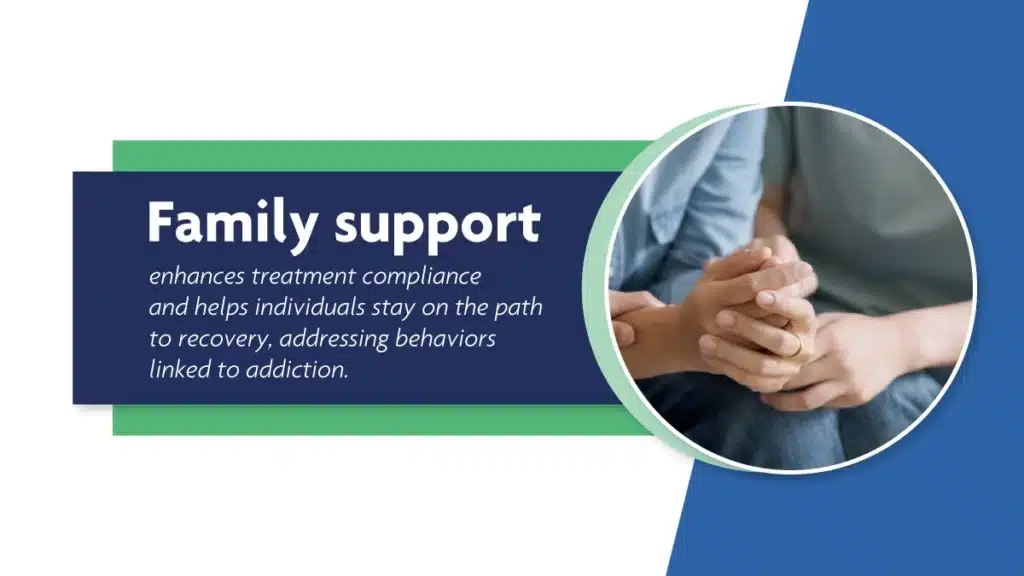
How to Build a Strong Support Network in Sobriety
Tips for finding and building a circle of positive, encouraging people who will support your journey.
Read More
How to Clean your Colon and Kidneys
Discover practical and healthy ways to manage and overcome cravings as they arise.
Read More